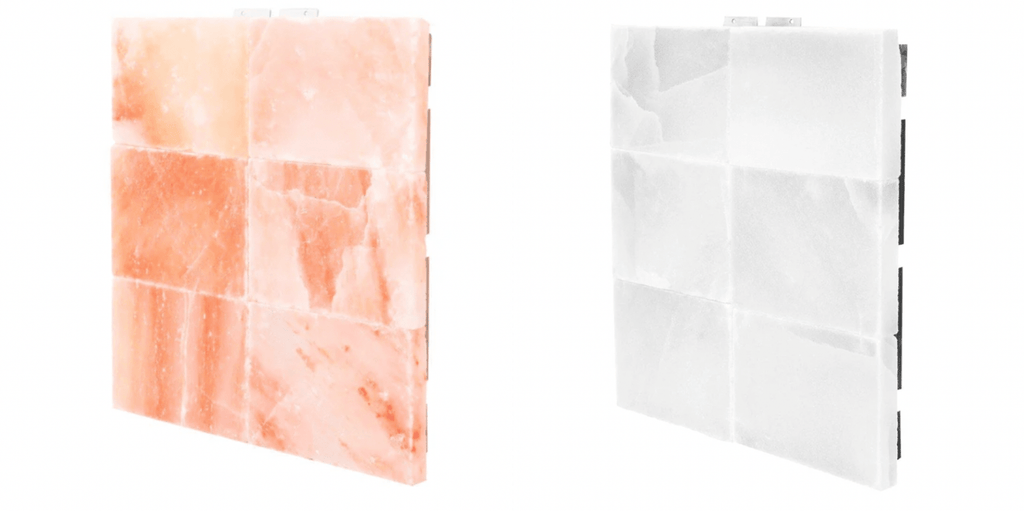
Himalayan salt has many health benefits, both for cooking and used as decoration or used as salt therapy. However, there are products in the market that claim to be real Himalayan Pink Salt when, in reality, they are fake.
At first glance, it is pretty difficult to distinguish genuine from fake Himalayan salt.
Nevertheless, there are ways to prove the authenticity of the Himalayan salt. Let's go over three important things you need to know to spot a fake Himalayan salt.
The Color of the Salt
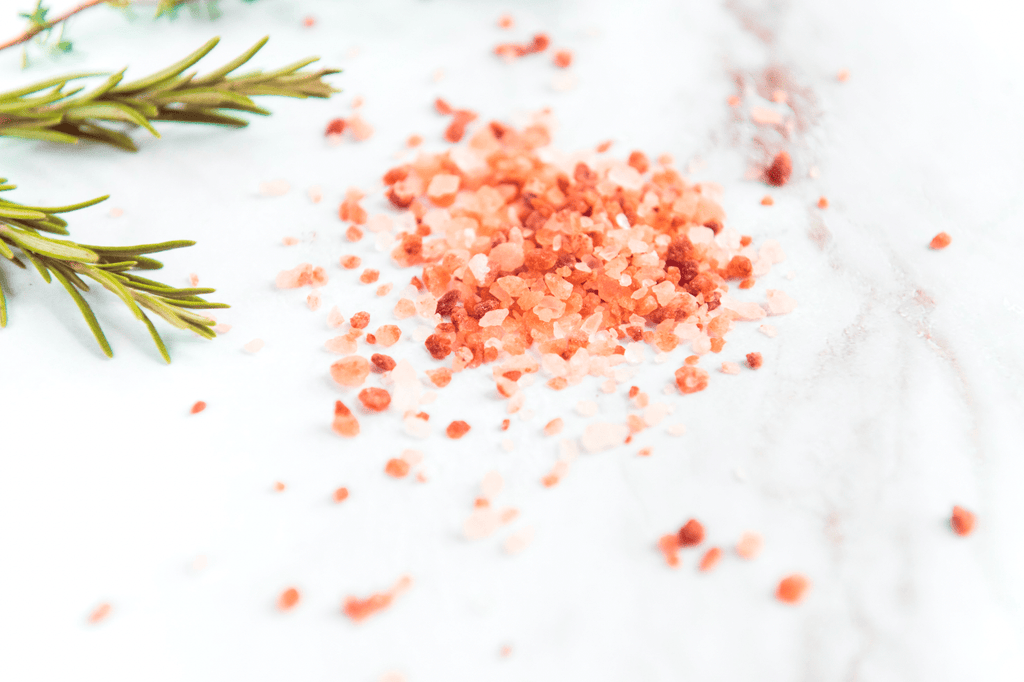
Genuine Himalayan salt has a light pink color because it contains many natural minerals.
Fake Himalayan salt, on the other hand, is much paler or non-reddish.
The Shape and Size
Unlike regular table salt, Himalayan salt has the shape of slightly larger crystals.
Compared with fake Himalayan salt, there is usually a difference in size. But you also need to be careful because original refined Himalayan salt products are now being sold.
Unlike regular table salt, Himalayan salt has the shape of slightly larger crystals.
Compared with fake Himalayan salt, there is usually a difference in size. But you also need to be careful because original refined Himalayan salt products are now being sold.
The Taste
The taste of genuine Himalayan salt is slightly saltier than that of fake Himalayan salt.
This is due to the sodium content of Himalayan salt, which is slightly lower than that of fake salt or other table salt.
Genuine Himalayan salt also does not leave a bitter taste as it is free from additives.
How to check the authenticity
Himalayan salt has a slightly higher content of natural minerals and water. When you place it on the ground or in a humid environment, Himalayan salt melts more quickly.
When you touch it, real Himalayan salt is also slightly sticky and rough. Even when it dissolves in water, Himalayan salt remains fine-grained.
OTHER ARTICLES YOU MAY ENJOY